
-
Cork Roll Underlay 3mm 10m2 (107.63 sqft)
Regular price £51.99 GBPRegular priceUnit price per£54.99 GBPSale price £51.99 GBPSale -
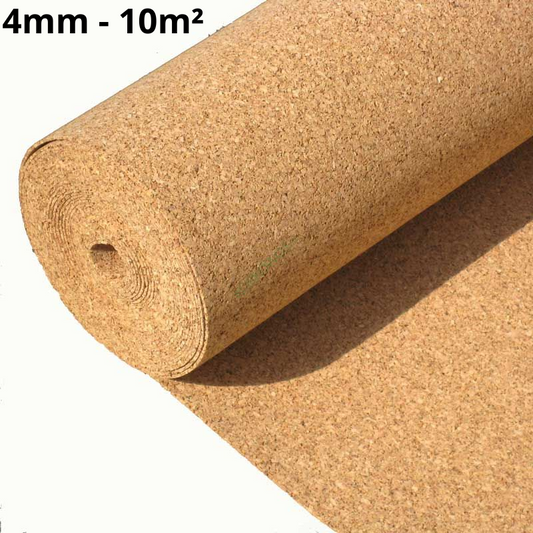
Cork Roll Underlay 4mm 10m2 (107.63sqft)
Regular price £62.99 GBPRegular priceUnit price per£69.99 GBPSale price £62.99 GBPSale -
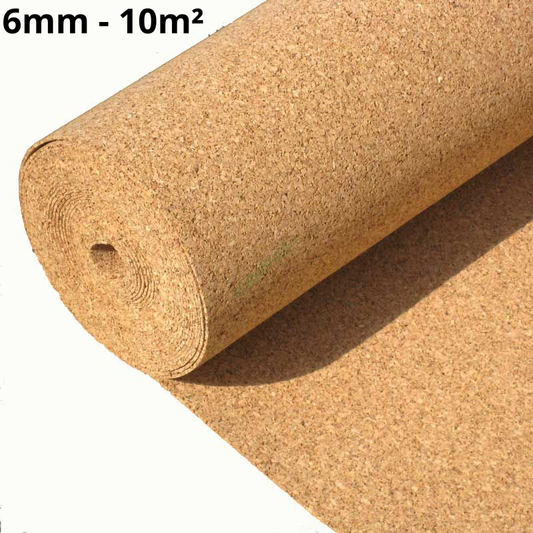
Cork Roll Underlay 6mm 10m2 (107.63sqft)
Regular price £95.99 GBPRegular priceUnit price per£104.99 GBPSale price £95.99 GBPSale -
Cork Roll Underlay 8mm 10m2 (107.63sqft)
Regular price £135.99 GBPRegular priceUnit price per£149.99 GBPSale price £135.99 GBPSold out -
Cork Roll Underlay 8mm 5m2 (53.81sqft)
Regular price £72.99 GBPRegular priceUnit price per -
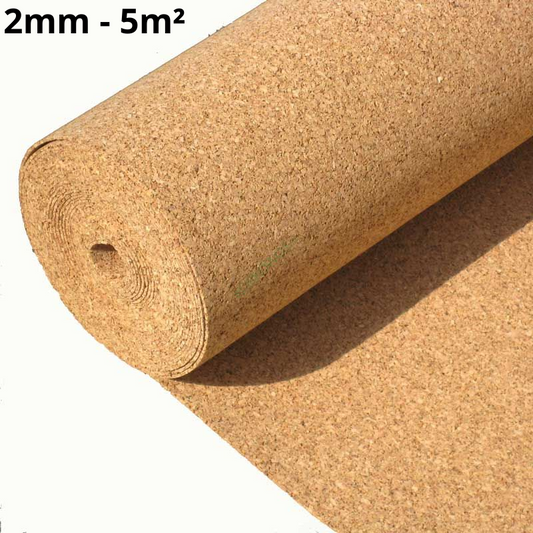
Cork Roll Underlay 2mm 5m2 (53.81sqft)
Regular price £19.99 GBPRegular priceUnit price per -
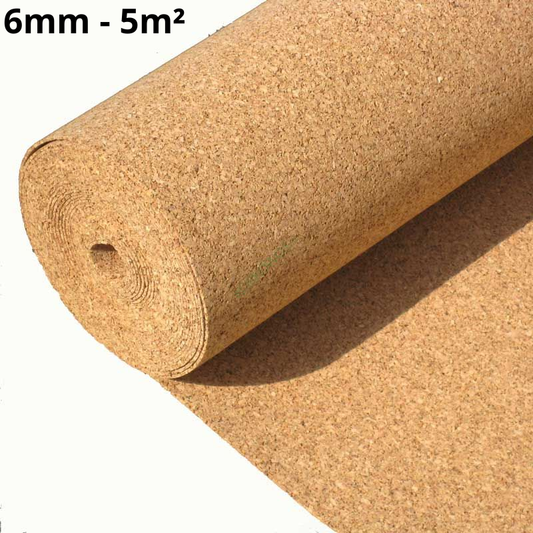
Cork Roll Underlay 6mm 5m2 (53.81sqft)
Regular price £53.99 GBPRegular priceUnit price per -
Cork Roll Underlay 5mm 10m2 (107.63sqft)
Regular price £89.99 GBPRegular priceUnit price per -
Cork Roll Underlay 2mm 10m2 (107.63 sqft)
Regular price £37.99 GBPRegular priceUnit price per£40.99 GBPSale price £37.99 GBPSold out -
Cork Roll Underlay 3mm 5m2 (53.81sqft)
Regular price £28.99 GBPRegular priceUnit price per£32.99 GBPSale price £28.99 GBPSale -
Cork Roll Underlay 4mm 5m2 (53.81sqft)
Regular price £35.99 GBPRegular priceUnit price per -
Cork Roll Underlay 10mm 5m2 (53.81sqft)
Regular price £98.99 GBPRegular priceUnit price per -
Cork Roll Underlay 5mm 5m2 (53.81sqft)
Regular price £48.99 GBPRegular priceUnit price per -
Cork Roll Wall Covering 3mm 10m2 (107.63 sqft)
Regular price £56.99 GBPRegular priceUnit price per -
Cork Roll Wall Covering 3mm 5m2 (53.81sqft)
Regular price £32.99 GBPRegular priceUnit price per -
Cork Roll Underlay 7mm 10m2 (107.63sqft)
Regular price £122.99 GBPRegular priceUnit price per




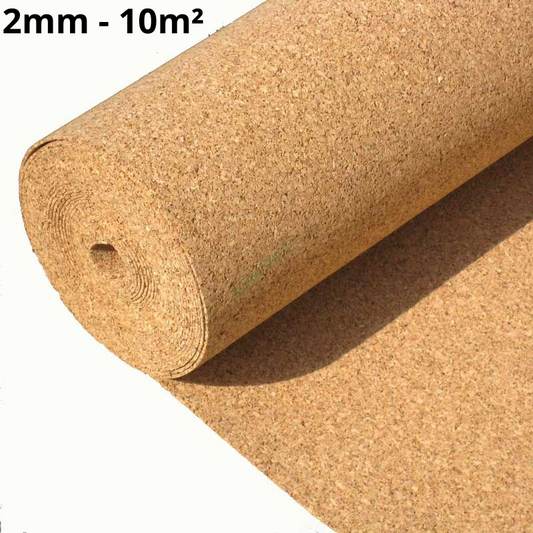

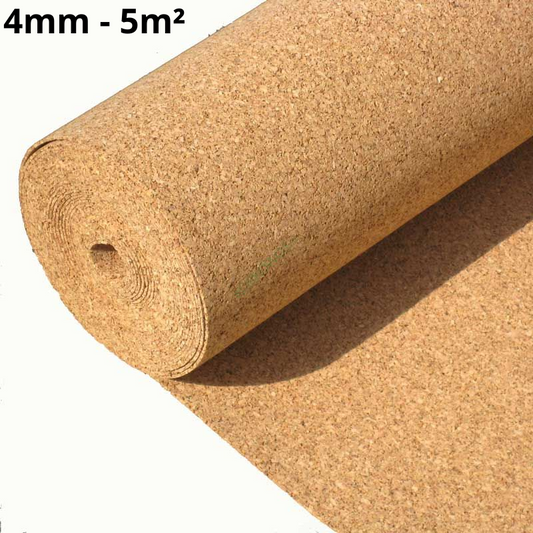


Cork rolls - the advantages of cork as a material for underlays
Cork is a material with exceptional properties that make it an ideal choice for producing underlays. Its natural flexibility, moisture resistance, and soundproofing are just some of its numerous advantages. Corksystem, offering cork underlays in various thicknesses (from 2 mm to 10 mm), provides a wide range of products tailored to the diverse needs of customers. Whether you’re looking for a material to soundproof a room or an underlay for panels, Corksystem cork rolls will be an excellent choice. Thanks to the use of cork, users can enjoy thermal and sound comfort as well as durability for many years.
Cork rolls? Only from the Corksystem!
TAA Technology in Corksystem Products
Corksystem stands out from the competition by introducing TAA technology, which provides antibacterial and antifungal protection in its products. TAA is embedded in the production process of cork underlays and wall coverings, meaning they do not need to be treated additionally to provide long-lasting protection. Microorganisms such as bacteria and fungi have no chance to develop on the surface of Corksystem products. This solution is particularly valuable in areas exposed to moisture and high temperatures, where microbes can develop rapidly. Thanks to this technology, Corksystem cork products become more hygienic and safer for users.
Click to Learn More About the Modern TAA Technology
Cork Rolls and more – the variety of Corksystem products
Corksystem offers a wide selection of cork underlays that vary in thickness and surface area to best suit different applications. A 2 mm thick cork underlay roll is ideal for use under panels, providing additional sound and thermal insulation. Thicker options, such as 6 mm or 8 mm underlays, are perfect for areas requiring better sound insulation, such as offices or apartments in apartment buildings. Corksystem also offers larger underlays, such as 10 m², ideal for larger spaces. Each of these products has unique properties that enhance user comfort and floor performance.
You can find high-quality cork sheets on our website
The benefits of using cork wall coverings
In addition to floor underlays, Corksystem also offers cork wall coverings that work great in modern interiors. Due to their aesthetic appeal, cork wall panels fit perfectly into many design styles, while also providing additional sound insulation. Corksystem wall coverings are available in rolls of varying thicknesses, allowing for flexible use in different rooms. Additionally, thanks to TAA technology, cork wall panels effectively protect against the development of mold and bacteria, making them an ideal solution for bathrooms and kitchens.
A decorative cork wall? Check our offer!
Top 3 Advantages of cork rolls from Corksystem’s range
Corksystem products stand out from the competition due to several key advantages. Excellent acoustic insulation – cork rolls effectively dampen sound, making them an ideal choice for apartment buildings and offices. High moisture and mold resistance – Corksystem cork underlays are equipped with TAA technology, which effectively protects against bacteria and fungi. Easy installation and versatility – cork rolls are easy to cut and install, making them suitable for both residential and commercial spaces.
Choose our cork rolls! It will pay off for you!
Corksystem – A leader in cork underlay production
Corksystem is a brand that has gained the trust of many customers due to its reliability and innovation. The company not only offers high-quality products but also invests in modern technologies such as TAA, which increase the utility value of its products. As a result, Corksystem is a leader in the cork underlay and wall covering market. Whether you’re looking for materials for construction, renovation, or interior finishing, Corksystem products will provide unmatched quality and comfort. Every product in this brand’s range guarantees satisfaction and durability for many years.
FAQ - frequently asked questions
1. What are cork rolls and what are they used for?
Cork rolls are flexible sheets made from natural cork, supplied in a rolled form. They are mainly used as insulating and acoustic materials, as well as functional finishing layers. Cork rolls can be applied to walls, floors, ceilings, or used as an underlay beneath other materials. Their main advantage is predictable technical performance across different applications.
2. Are cork rolls suitable for acoustic insulation?
Yes, cork naturally absorbs sound and reduces echo. Cork rolls help limit airborne noise and impact sounds. They do not replace professional soundproofing systems used in recording studios, but they significantly improve acoustic comfort in homes and offices. They work best as a supportive acoustic solution rather than full soundproofing.
3. Do cork rolls provide thermal insulation?
Cork has good thermal insulation properties thanks to its cellular structure. Cork rolls can help reduce heat transfer through walls and floors, contributing to improved indoor thermal comfort throughout the year. The effect depends on the thickness used and the location of installation. This solution improves comfort but does not replace full structural thermal insulation.
4. Where can cork rolls be used?
Cork rolls can be installed in living rooms, bedrooms, offices, hallways, and utility spaces. They are suitable for walls, floors, ceilings, and as an underlay beneath panels or carpets. They work well in both new interiors and renovation projects. Proper surface preparation is essential to achieve the best results.
5. Is cork in roll form an eco-friendly material?
Yes, cork is a natural and renewable raw material. It is harvested from the bark of cork oak trees without cutting them down. Cork rolls do not contain toxic substances and are safe for household use. This material is often chosen by those looking for environmentally responsible solutions.
6. Are cork rolls resistant to moisture?
Cork has natural resistance to moisture and does not absorb it as easily as many other materials. Cork rolls perform well in rooms with moderate indoor humidity. However, they are not designed for direct contact with water or wet areas without additional protection. In such cases, proper sealing or impregnation is required.
7. How are cork rolls installed?
Cork rolls are usually installed using a dedicated cork adhesive. The surface should be even, dry, and clean. The material can be cut with a utility knife. Installation is relatively straightforward and does not require specialised tools, although accuracy and proper pressure are important on larger surfaces.
8. Are cork rolls suitable as an underlay for panels or flooring?
Yes, cork rolls are commonly used as an underlay beneath laminate flooring, parquet, or other floor coverings. They improve acoustic and thermal insulation and increase walking comfort. They can also help compensate for minor surface irregularities. The roll thickness should be selected according to the type of flooring and the manufacturer’s recommendations.
9. Are cork rolls durable?
Cork is resistant to deformation and ageing. Properly installed cork rolls retain their properties for many years. They do not crumble or break down and maintain their flexibility under normal indoor conditions. Their durability mainly depends on installation quality and the conditions in the room.
10. How do you choose the right thickness of a cork roll?
The choice of thickness depends on the intended application. Thinner rolls work well as underlays or finishing layers, while thicker rolls are used when improved acoustic or thermal comfort is required. Thicker cork does not always mean better performance and should be selected based on the specific purpose. Individual product pages provide guidance on the recommended thickness for each application.