
-
Cork Sheet - 915x305mm - 1mm - Décor and DIY - Pack of 4
Regular price £14.99 GBPRegular priceUnit price per -
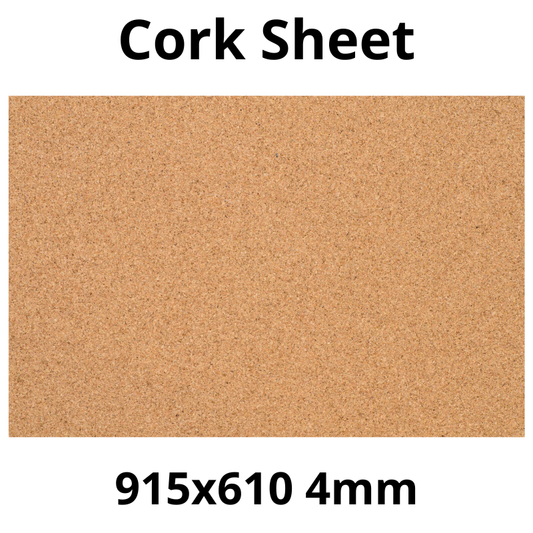
Cork Sheet - 915x610mm - 4mm - Décor and DIY - Pack of 1
Regular price £16.99 GBPRegular priceUnit price per -
Cork Sheet - 915x305mm - 10mm - Décor and DIY - Pack of 2
Regular price £26.99 GBPRegular priceUnit price per -
Cork Sheet - 915x305mm - 8mm - Décor and DIY - Pack of 3
Regular price £35.99 GBPRegular priceUnit price per -
Cork Sheet - 610x455mm - 8mm - Décor and DIY - Pack of 3
Regular price £35.99 GBPRegular priceUnit price per -
Cork Sheet - 610 x 455mm - 5mm - Decor and DIY - Pack of 1 - Self-adhesive, peel and stick - Yellow
Regular price £20.99 GBPRegular priceUnit price per -
Cork Sheet - 610x 455mm - 5mm - Decor and DIY - Pack of 1 - Self-adhesive, peel and stick - Blue
Regular price £20.99 GBPRegular priceUnit price per -
Cork Sheet - 610x455mm - 7mm - Décor and DIY - Pack of 3
Regular price £32.99 GBPRegular priceUnit price per -
Cork Sheet - 915x305mm - 7mm - Décor and DIY - Pack of 3
Regular price £32.99 GBPRegular priceUnit price per -
Cork Sheet - 610x455mm - 6mm - Décor and DIY - Pack of 4
Regular price £39.99 GBPRegular priceUnit price per -
Cork Sheet - 915x305mm - 6mm - Décor and DIY - Pack of 4
Regular price £39.99 GBPRegular priceUnit price per -
Cork Sheet - 915x305mm - 5mm - Décor and DIY - Pack of 2
Regular price £17.99 GBPRegular priceUnit price per -
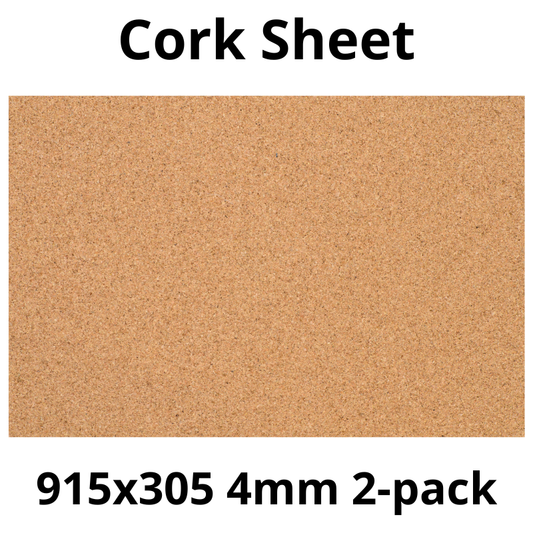
Cork Sheet - 915x305mm - 4mm - Décor and DIY - Pack of 2
Regular price £13.99 GBPRegular priceUnit price per



Cork Sheets – A Natural Material with Endless Applications
Cork sheets are a timeless solution that combines natural aesthetics with functionality. Made from processed bark of the cork oak tree, they are lightweight, flexible, and resistant to moisture. They perform exceptionally well in both technical and decorative projects – from furniture inlays to wall accents. Their versatility makes them a popular choice among hobbyists, interior designers, and contractors alike. Cork sheets also serve as a perfect base material for further processing – they can be cut, glued, painted, and sanded with ease.
Natural cork in sheet form also stands out for its durability and user-friendly properties. It is hypoallergenic, antistatic, and free from harmful emissions, making it ideal for spaces used by children or individuals with sensitivities. Cork sheets are biodegradable and made from a renewable resource, which makes them a smart choice for those who prioritize sustainability. They resist mold, stains, and abrasion, making them suitable for high-traffic or heavily used areas. Available in a variety of thicknesses, they can be tailored to meet different functional needs.
Natural Cork - Perfect for DIY Projects and Interior Decoration
Cork sheets are an ideal material for people who enjoy creating unique decorations and functional accessories. They can be used as bulletin boards, hot pads, decorative wall panels, or drawer liners. Their structure makes them easy to cut and shape, allowing for a high degree of customization. Cork also works well with paints, markers, and varnishes, which makes it perfect for creative and artistic projects. Its warm appearance and natural texture suit many interior styles, including Scandinavian, boho, eco, and industrial. It can also be seamlessly combined with other raw materials like wood, metal, or glass.
Technical and Eco-Friendly Properties of Cork Roll
Cork sheets are known for their high density, elasticity, and resistance to changing environmental conditions. These properties make them ideal as insulating layers, vibration-dampening mats, or protective surfaces. They are available in thicknesses up to 10 mm and are resistant to moisture, helping to prevent mold development in kitchens, bathrooms, or garages. Cork is also fire-resistant and self-extinguishing, which adds to its safety. Importantly, it’s harvested without cutting down trees, and the production process generates very little waste. Durable yet biodegradable, cork sheets are an excellent alternative to synthetic materials.
Practical Applications of Cork Sheet Roll
Cork sheets have a wide range of uses, both in private homes and commercial spaces. At home, they function as surface finishes, insulation layers, underlays, and decorative wall coverings. In offices and service areas, they’re used as acoustic panels, equipment pads, or decorative pinboards. Thanks to their flexibility and low weight, cork sheets are easy to cut and adjust to specific dimensions and shapes. They’re also commonly used in furniture making – as linings for drawers, shelves, or cabinet backs. No matter the setting, cork adds a warm and natural touch to any space. With added TAA technology, cork sheets are also resistant to bacterial growth.
Acoustic and Thermal Insulation in Homes and Offices
Thanks to its cellular structure, cork effectively absorbs sound and reduces noise transmission between rooms. Cork sheets can be used as underlays for flooring or as wall and ceiling insulation panels. In offices, they enhance work comfort by reducing echo and dampening noise from electronics. In residential settings, they improve everyday comfort, especially in bedrooms, children’s rooms, and multi-purpose areas. In addition to acoustic benefits, cork also provides thermal insulation, helping maintain a stable indoor temperature. Another advantage is its ease of installation and the ability to remove it without damaging the surface.
Creative Uses in Model Making and Crafting
In the world of crafting and model making, cork sheets remain a popular material. They are lightweight, easy to cut, and highly flexible, making them perfect for creating dioramas, architectural models, or miniature displays. Cork can also serve as a base for decorative art, printing, embroidery, or collage projects. With its neutral tone and natural texture, it pairs well with other materials and encourages experimentation. Safe and non-toxic, cork is especially well-suited for projects involving children and teens. Scrapbookers, upcyclers, and art journalers often use cork sheets as a sturdy and visually appealing background.
FAQ - frequently asked questions
1. What are cork sheets?
Cork sheets are flat panels made from natural cork sourced from the bark of the cork oak tree. The material is lightweight, flexible, and durable, while retaining its natural insulating properties. Cork sheets are used both in interior design and in various technical applications.
2. What are cork sheets commonly used for?
Cork sheets are commonly used as wall coverings, insulation underlays, notice boards, decorative elements, and materials for DIY projects. They also work well as sound-dampening or protective layers under different surfaces.
3. Which thickness of cork sheets should I choose?
The choice of thickness depends on the intended use. Thin sheets are suitable for decorative purposes and craft projects, while thicker sheets offer better insulation and cushioning properties.
4. Do cork sheets have insulating properties?
Yes. The cellular structure of cork helps reduce noise transmission and heat loss. For this reason, cork sheets are often chosen as a natural material that improves both acoustic and thermal comfort in indoor spaces.
5. Is cork an environmentally friendly material?
Cork is a renewable raw material harvested without cutting down trees. The bark regeneration process does not damage the cork oak, making cork sheets an environmentally responsible choice aligned with sustainable practices.
6. Are cork sheets easy to work with?
Yes. Cork can be easily cut, glued, and adapted to different surfaces. Its flexibility makes installation straightforward and allows for precise fitting, even in more unusual or custom projects.
7. Are cork sheets suitable for residential interiors?
Cork sheets are well suited for homes and apartments. They are natural, safe to use, and visually appealing, which is why they are often used in living rooms, bedrooms, home offices, and children’s rooms.
8. How should cork sheets be maintained after installation?
Cork does not require complicated maintenance. Regular cleaning with a dry or slightly damp cloth is sufficient. Strong detergents and prolonged exposure to large amounts of water should be avoided.
9. Are cork sheets resistant to moisture?
Cork naturally offers increased resistance to moisture and mould growth. However, in areas exposed to frequent or direct contact with water, additional surface protection is recommended.
10. What should I consider when buying cork sheets?
When choosing cork sheets, it is worth considering the thickness, sheet format, and intended application. Selecting the appropriate installation method is also important to ensure long-term performance and aesthetic appeal.